How I Fixed My Body and Slowed Aging—Simple, Science-Backed Moves That Actually Work
Ever feel like your body just isn’t bouncing back like it used to? I did. After years of fatigue, slow recovery, and visible aging signs, I dug into how to truly repair the body from within. It’s not about quick fixes—it’s about consistent, science-supported habits that restore function and resilience. This is what changed everything for me, and why you might want to start now. What I discovered wasn’t a miracle cure, but a series of small, daily choices grounded in biology and backed by research. These shifts didn’t just improve how I looked—they changed how I felt, moved, and thought. And the best part? They’re accessible to anyone, at any age, regardless of fitness level or health history. This is the journey from wear and tear to renewal, not through drastic measures, but through sustainable, intelligent care.
The Wake-Up Call: When My Body Stopped Cooperating
It wasn’t one dramatic event that made me stop and take notice—it was a slow accumulation of signals my body had been sending for years. Mornings became a struggle. Getting out of bed felt like lifting a weight I hadn’t signed up for. Simple tasks like climbing stairs or carrying groceries left me winded in a way that didn’t make sense for someone in their 40s. I noticed my joints creaked more often, especially in the morning. My skin looked duller, less elastic. Even my hair seemed thinner. At first, I dismissed it as normal aging—something everyone goes through. But deep down, I knew this wasn’t just about time passing. It was about imbalance, neglect, and a body that had been running on empty for too long.
Then came the sleep disruption. I’d lie awake for hours, only to wake up unrefreshed, caught in a cycle of exhaustion and frustration. I started relying on caffeine to push through the day, only to crash by mid-afternoon. My digestion became unpredictable—bloating, discomfort, and irregularity that no over-the-counter remedy could fix. I felt older than I was, not because of my age, but because my body was no longer functioning efficiently. That’s when I realized: aging isn’t just a number. It’s a biological process influenced by how we treat our bodies every single day. I wasn’t broken, but I was out of alignment. And if I didn’t make changes, the decline would only accelerate.
The emotional toll was just as real. I felt disconnected from myself—less patient, less present, less joyful. I missed the ease I once had, the ability to move without thinking, to wake up energized, to handle stress without crumbling. I began to question whether this was just how life was supposed to feel after a certain point. But then I asked a better question: What if it doesn’t have to be this way? What if the body still has the capacity to heal, to renew, to thrive—if only we give it the right conditions? That question became the starting point of a journey that transformed not just my health, but my entire outlook on aging.
What 'Body Repair' Really Means (And Why It’s Key to Anti-Aging)
When we talk about anti-aging, most people think of creams, serums, or cosmetic procedures. But real anti-aging begins much deeper—in the cells, tissues, and systems that keep us alive and functioning. Body repair is the biological process by which your body maintains, heals, and renews itself. Every day, your cells divide, damaged proteins are cleared, tissues are rebuilt, and DNA is repaired. This is not optional—it’s essential for survival. And when these processes slow down or become inefficient, that’s when aging accelerates. The key insight I learned is that aging isn’t just the passage of time; it’s the accumulation of unrepaired damage at the cellular level.
Science shows that the body has an incredible ability to regenerate—liver cells, skin cells, even parts of the nervous system have repair mechanisms. But these systems depend on signals from our lifestyle: what we eat, how we sleep, how we move, and how we manage stress. As we age, these repair pathways naturally decline, but lifestyle choices can either speed up or slow down that decline. For example, chronic inflammation—often driven by poor diet, lack of sleep, or stress—damages cells and impairs repair. On the other hand, supporting the body with the right nutrients, rest, and movement can enhance cellular cleanup (a process called autophagy) and promote tissue regeneration.
This shift in perspective changed everything for me. Instead of focusing on hiding the signs of aging, I began focusing on supporting the body’s innate ability to heal. I stopped seeing fatigue or joint discomfort as inevitable and started seeing them as signals—messages from my body asking for better care. True anti-aging, I realized, isn’t about looking younger. It’s about functioning better. It’s about maintaining strength, energy, mental clarity, and resilience well into the later years. And that kind of aging isn’t passive—it’s active. It requires intention, consistency, and a deep respect for the body’s intelligence.
The Role of Sleep: Your Nightly Reset Button
If there’s one habit that made the most dramatic difference in my journey, it was improving my sleep. I used to treat sleep as a luxury—something I’d get to if I had time. But the truth is, sleep is non-negotiable. It’s during deep sleep that the body performs its most critical repair work. Growth hormone is released, tissues are rebuilt, the brain clears out metabolic waste, and the immune system strengthens. Without quality sleep, none of the other healthy habits—good food, exercise, stress management—can work at their full potential. Sleep is the foundation.
I started by tracking my sleep patterns and was shocked to see how inconsistent they were. Some nights I’d sleep six hours, others eight, but rarely did I get uninterrupted, restorative sleep. I realized my habits were working against me: scrolling on my phone late into the night, drinking tea in the evening, and going to bed at different times. I decided to make sleep a priority. I set a fixed bedtime and wake-up time, even on weekends. I created a wind-down routine: dimming the lights, turning off screens an hour before bed, and drinking herbal tea like chamomile or passionflower. I also made my bedroom a sleep sanctuary—cool, dark, and quiet, with no electronics.
Within just a few weeks, the changes were noticeable. I woke up feeling more refreshed. My energy levels stabilized. My skin looked brighter, and my mood improved. I learned that deep sleep, particularly in the first half of the night, is when the body does most of its physical repair. During REM sleep, the brain consolidates memories and processes emotions. Disrupting this cycle doesn’t just leave you tired—it impairs cognitive function, weakens immunity, and accelerates cellular aging. By honoring my body’s natural circadian rhythm, I gave it the time and conditions it needed to heal. Sleep isn’t downtime—it’s active restoration. And when you prioritize it, everything else falls into place more easily.
Nutrition That Fuels Repair: Eating for Regeneration, Not Just Energy
Food is more than fuel—it’s information. Every bite sends signals to your cells about what kind of environment they’re in. For years, I ate for convenience and comfort, not for repair. I consumed processed foods, skipped meals, and didn’t pay attention to nutrient density. I thought as long as I wasn’t gaining weight, I was fine. But my body was starving for the raw materials it needed to function and heal. I began to shift my mindset: instead of asking, “What can I eat?” I started asking, “What will help my body repair itself?”
The first change was increasing protein intake, especially at breakfast. Protein provides the amino acids needed to build and repair muscle, skin, hair, and connective tissue. I started my day with eggs, Greek yogurt, or a smoothie with plant-based protein. I also incorporated collagen-rich bone broth into my routine—a simple habit that supported joint health and skin elasticity. Next, I focused on antioxidants. These compounds, found in colorful fruits and vegetables, protect cells from oxidative damage—a major driver of aging. I aimed for a variety of colors on my plate: blueberries, spinach, carrots, beets, and bell peppers became staples.
Healthy fats were another game-changer. Omega-3 fatty acids, found in fatty fish, walnuts, and flaxseeds, reduce inflammation and support brain health. I also reduced refined sugars and processed carbohydrates, which spike insulin and promote inflammation. Instead, I chose whole grains, legumes, and fiber-rich vegetables. Meal timing mattered too. I discovered that aligning my eating with my circadian rhythm—eating earlier in the day and finishing dinner by 7 p.m.—helped my digestion and improved my sleep. This wasn’t about dieting or deprivation. It was about making strategic, sustainable choices that gave my body the tools it needed to regenerate. Over time, I noticed fewer cravings, more stable energy, and a body that felt nourished from the inside out.
Movement as Medicine: How Exercise Triggers Healing
I used to believe that to get results, exercise had to be intense—long runs, heavy weights, high-intensity classes. But years of pushing myself left me sore, exhausted, and often injured. I thought rest was the answer, but I learned that the right kind of movement is actually a form of recovery. Exercise isn’t just about burning calories or building muscle—it’s a powerful signal to the body to repair and strengthen itself. When done consistently and mindfully, movement reduces inflammation, improves circulation, and enhances cellular repair.
I shifted to a more balanced approach. I incorporated daily walking—30 to 45 minutes at a moderate pace. Walking isn’t flashy, but it’s profoundly effective. It improves cardiovascular health, supports joint mobility, and boosts mood through the release of endorphins. I also added low-impact strength training two to three times a week. Using bodyweight, resistance bands, or light weights, I focused on form and control rather than lifting heavy. This helped maintain muscle mass, which naturally declines with age, and supported bone density. I also dedicated time to mobility work—gentle stretching, yoga, and foam rolling—which improved flexibility and reduced stiffness.
What surprised me most was how these practices reduced my joint discomfort. Instead of aggravating it, the right movement lubricated my joints, strengthened the supporting muscles, and improved circulation to deliver nutrients and remove waste. I also noticed better sleep and more energy throughout the day. Movement became less of a chore and more of a daily ritual—a way to connect with my body and honor its needs. The key wasn’t intensity, but consistency. Small, regular efforts added up to significant improvements in strength, stamina, and overall well-being. Exercise, I realized, isn’t something you do to punish your body. It’s something you do to heal it.
Stress Management: Why Calm Is a Biological Necessity
One of the most overlooked factors in body repair is stress. Not the kind that comes from a tight deadline or a busy day, but chronic, low-grade stress—the kind that simmers in the background, day after day. This type of stress keeps the body in a constant state of fight-or-flight, flooding the system with cortisol and adrenaline. While these hormones are useful in emergencies, when they’re constantly elevated, they interfere with repair. Cortisol suppresses the immune system, increases inflammation, disrupts sleep, and breaks down muscle and bone. In other words, chronic stress literally prevents your body from healing.
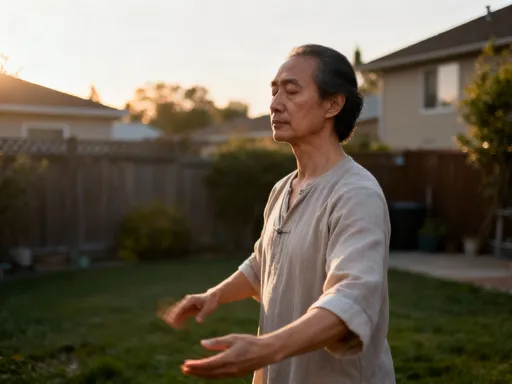
I realized I was living in this state without even knowing it. I was always “on”—checking emails, multitasking, rushing from one thing to the next. My nervous system never had a chance to reset. I started experimenting with simple stress-reduction techniques. The most effective was breathwork. Just five minutes of slow, deep breathing—inhaling for four counts, holding for four, exhaling for six—activated my parasympathetic nervous system, the “rest and digest” mode. I did this in the morning and before bed. I also built in daily pauses: moments to sit quietly, sip tea, or step outside and breathe fresh air. These weren’t long—just five to ten minutes—but they made a difference.
I also committed to digital detoxes—turning off notifications, setting boundaries around screen time, and avoiding work after 7 p.m. This helped me reclaim mental space and reduce mental clutter. Over time, I noticed improvements beyond stress reduction. My digestion improved, my sleep deepened, and my mind felt clearer. I was more patient, more present, and more resilient in the face of challenges. Calm, I learned, isn’t just a feeling—it’s a biological state that allows repair to happen. When the body feels safe, it can shift from survival to healing. And that shift is essential for slowing the aging process.
The Long Game: Small Habits, Lasting Change
Looking back, no single habit transformed my health overnight. It was the accumulation of small, consistent choices that made the difference. I didn’t aim for perfection—I aimed for progress. I started with one change at a time: better sleep, then improved nutrition, then daily movement. Each habit built on the last, creating a foundation of resilience. I learned to track subtle signs of improvement: more energy, better digestion, fewer aches, improved mood. These weren’t dramatic, but they were real.
Habit formation wasn’t always easy. There were days I skipped my walk, ate something processed, or stayed up too late. But I stopped seeing these as failures and started seeing them as feedback. I adjusted, recalibrated, and kept going. I found that tying new habits to existing routines helped—like doing breathwork after brushing my teeth or taking a walk after lunch. I also focused on how each habit made me feel, not just what it did for me. That intrinsic motivation—feeling better—became more powerful than any external goal.
What I’ve learned is that lasting change isn’t about willpower. It’s about creating an environment that supports your body’s natural ability to heal. It’s about consistency, not intensity. It’s about listening to your body and responding with care. Aging is inevitable, but decline is not. By focusing on real repair—through sleep, nutrition, movement, and calm—I’ve regained a sense of vitality I thought I’d lost. This isn’t a quick fix or a trend. It’s a way of living that honors the body’s intelligence and supports its ability to thrive at every age.
True anti-aging isn’t about erasing wrinkles—it’s about restoring your body’s ability to heal, adapt, and thrive. By focusing on real repair through sleep, food, movement, and mindset, I regained energy and resilience. This isn’t a shortcut—it’s a lifestyle shift that keeps giving. Start where you are, pick one habit, and let your body do the rest.