Why Stress Might Be the Real Reason Behind Your Hair Struggles
You brush your hair and see more strands than ever. You try every serum, shampoo, and supplement—yet nothing sticks. What if the real issue isn’t your scalp, but your mind? Science shows a powerful link between stress and hair health. It’s not just about hormones or genetics—your daily mental state can quietly shape how thick, strong, or shiny your hair looks. This isn’t magic. It’s biology. And once you understand it, you can start working *with* your body, not against it. The signs are often subtle: a widening part, more hair on your pillow, or a ponytail that feels thinner without explanation. For many women in their 30s to 50s, these changes arrive quietly, amid busy lives filled with caregiving, career demands, and personal responsibilities. Yet, behind the mirror, something deeper is unfolding—a conversation between your nervous system and your hair follicles, one that’s been ongoing for months, even if you’ve only just noticed the outcome.
The Hidden Connection Between Mind and Hair
For decades, hair loss has been framed as a genetic or hormonal issue—something passed down from parents or triggered by menopause. While these factors do play a role, a growing body of research reveals that psychological stress is an equally powerful, yet often overlooked, contributor to hair thinning. Unlike hereditary baldness, which follows a predictable pattern, stress-related shedding is diffuse and sudden, often catching women off guard. The connection lies in the body’s natural survival mechanisms. When the brain perceives threat—whether emotional, physical, or environmental—it activates the hypothalamic-pituitary-adrenal (HPA) axis, triggering a cascade of stress hormones. Among them, cortisol is the most influential in disrupting normal biological processes, including hair growth.
This disruption isn’t immediate. Hair follicles operate on a cycle with distinct phases: anagen (growth), catagen (transition), and telogen (resting). Under normal conditions, about 90% of follicles are in the growth phase at any given time. But when stress becomes chronic, the body shifts resources away from non-essential functions—like hair growth—to prioritize vital systems such as the heart, lungs, and immune response. As a result, more follicles are pushed prematurely into the telogen phase. This condition, known as telogen effluvium, leads to increased shedding, typically three to six months after the initial stressor. Because of this delay, many women fail to connect their hair loss with earlier life events, such as a difficult family situation, a demanding work period, or prolonged sleep disruption.
What makes this process especially challenging is its invisibility. Unlike skin breakouts or fatigue, hair shedding accumulates slowly, often going unnoticed until a significant amount has been lost. By the time women seek answers, the original stress may have passed, making it harder to identify the root cause. Yet, understanding this mind-hair connection is the first step toward meaningful change. It shifts the narrative from blame—“I must be doing something wrong”—to insight: “My body was responding to what I was going through.” This perspective fosters compassion, not criticism, and opens the door to holistic solutions that address both mental and physical well-being.
Why Your Hair Reacts to Stress More Than You Think
The human body is designed to respond to danger with precision. In moments of acute stress—like narrowly avoiding a car accident—the surge of adrenaline and cortisol prepares the body for action. Once the threat passes, hormone levels return to baseline. But modern life rarely offers such clear endpoints. Instead, many women face low-grade, persistent stressors: endless to-do lists, financial concerns, caregiving for aging parents, or the emotional labor of holding families together. These ongoing demands keep the stress response activated, even if no single event feels overwhelming. Over time, this chronic activation takes a toll on systems that aren’t essential for immediate survival—including hair growth.
During prolonged stress, the body conserves energy by redirecting blood flow and nutrients to organs critical for survival. Hair follicles, being metabolically active but not life-sustaining, receive less support. The shift from anagen to telogen phase becomes more pronounced, reducing the number of hairs actively growing at any time. Additionally, stress can impair the synthesis of keratin, the protein that forms the structural foundation of hair. This means that even the hairs that do grow may be weaker, finer, or more prone to breakage. The result is not complete baldness, but a noticeable thinning that affects confidence and self-perception.
Real-world scenarios illustrate this pattern clearly. A woman managing a high-pressure job while navigating a family conflict may not feel “stressed” in the traditional sense—she may simply feel “busy” or “tired.” Yet, her body registers the cumulative load. Months later, during a routine wash or brush, she notices increased shedding. Another woman recovering from an illness or surgery may experience hair loss not due to the medical event itself, but because of the emotional strain that accompanied it. The delay between stress and visible hair changes often masks the connection, leading many to pursue topical treatments that address symptoms without resolving underlying causes.
It’s also important to recognize that perceived stress—how threatening or uncontrollable a situation feels—matters more than the objective severity of the event. Two women facing the same workload may have very different physiological responses based on their coping resources, support networks, and personal resilience. This explains why some women maintain thick, healthy hair through major life challenges, while others experience shedding during seemingly minor disruptions. The key insight is that hair health reflects internal experience, not just external circumstances.
The Science of Cortisol and Hair Follicles
Cortisol, often called the “stress hormone,” plays a central role in the body’s adaptation to pressure. In balanced amounts, it helps regulate metabolism, immune function, and blood pressure. But when levels remain elevated due to chronic stress, cortisol begins to interfere with cellular processes throughout the body—including those in the scalp. Research published in the *Journal of Investigative Dermatology* has shown that hair follicle cells contain receptors for cortisol, meaning they respond directly to its presence. High cortisol levels can shorten the anagen phase, reduce follicle size, and impair the function of dermal papilla cells, which are responsible for signaling growth.
One of the ways cortisol disrupts hair health is by reducing blood flow to the scalp. Since follicles rely on a steady supply of oxygen and nutrients to function optimally, any restriction in circulation can slow growth and weaken strands. Additionally, cortisol increases systemic inflammation, which has been linked to oxidative stress in the scalp. Oxidative stress occurs when there’s an imbalance between free radicals and antioxidants, leading to cellular damage. In hair follicles, this damage can degrade proteins, impair cell division, and accelerate aging of the hair bulb. Over time, this contributes to finer, more brittle hair that’s less resilient to daily wear and tear.
Peer-reviewed studies support these findings. A 2020 review in *Dermatology and Therapy* analyzed multiple clinical observations and concluded that individuals with high perceived stress levels were significantly more likely to report hair thinning and shedding. Another study tracking women over a 12-month period found that those who reported frequent anxiety or sleep disturbances had lower hair density scores, independent of age or genetics. Importantly, this type of shedding is typically reversible. Once cortisol levels normalize and the body returns to a state of balance, follicles can re-enter the growth phase and resume normal cycling.
Understanding this science helps dispel fear. Many women worry that hair loss is a sign of permanent damage or inevitable aging. But stress-induced shedding is not the same as androgenetic alopecia, the genetic form of hair loss. It does not involve miniaturization of follicles or scarring of the scalp. Instead, it’s a functional disruption—one that responds well to lifestyle changes, emotional regulation, and time. Recognizing this distinction empowers women to take proactive steps without feeling doomed by their biology.
Emotional Patterns That Quietly Damage Hair Health
Beyond major life events, everyday emotional habits can silently undermine hair health. These patterns are often so familiar that they go unnoticed, yet their physiological impact is real. One of the most common is rumination—the tendency to replay stressful thoughts over and over. While it may feel like problem-solving, rumination keeps the brain in a state of low-grade alert, maintaining elevated cortisol levels even in the absence of external threats. This constant mental activity prevents the nervous system from fully relaxing, depriving the body of the restorative downtime needed for tissue repair and regeneration.
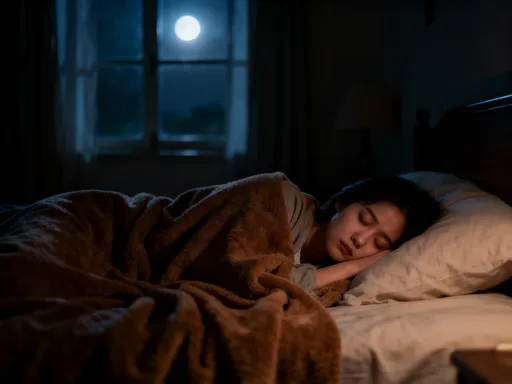
Sleep disruption is another critical factor. During deep sleep, the body repairs damaged cells, balances hormones, and supports immune function—all of which are essential for healthy hair growth. Women who struggle with insomnia, fragmented sleep, or early waking often experience impaired follicle function. Even mild, consistent sleep deprivation can disrupt the circadian rhythm of hair follicles, which have their own internal clocks that align with the body’s overall sleep-wake cycle. When this rhythm is thrown off, the timing and efficiency of hair renewal suffer.
Emotional eating, particularly the consumption of high-sugar or processed foods during times of stress, also plays a role. These foods can cause blood sugar spikes and crashes, further destabilizing hormone levels and increasing inflammation. Additionally, nutrient-poor diets lack the vitamins and minerals—like iron, zinc, and biotin—needed for strong hair. While no single food causes hair loss, a pattern of poor dietary choices under stress can create a nutritional deficit that compounds the problem.
Perhaps most insidious is the cumulative effect of small stressors. A missed appointment, a tense conversation, a late bill—each may seem minor on its own, but repeated daily, they create a background hum of tension that the body registers as chronic stress. This phenomenon, known as allostatic load, refers to the wear and tear on the body from repeated adaptation to stress. Over time, high allostatic load weakens multiple systems, including those that support hair health. The lesson is clear: it’s not just the big crises that matter, but the quiet, ongoing strain that often goes unacknowledged.
Proven Psychological Strategies to Support Hair Growth
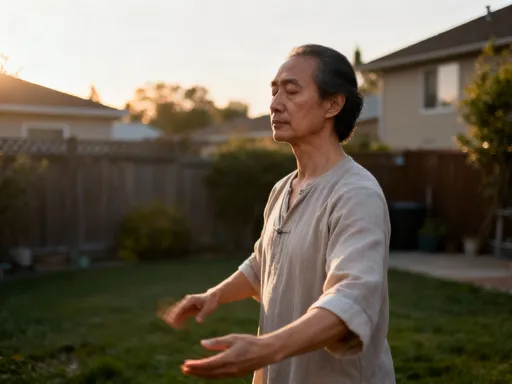
The good news is that the mind-body connection works both ways. Just as stress can harm hair, calming the mind can support regrowth. Evidence-based psychological techniques have been shown to reduce cortisol levels, improve emotional regulation, and restore balance to the nervous system. Mindfulness meditation, for example, has been extensively studied for its ability to lower perceived stress. A randomized controlled trial published in *JAMA Internal Medicine* found that participants who practiced mindfulness for eight weeks reported significant reductions in anxiety and cortisol levels. For women concerned about hair health, even a short daily practice—five to ten minutes of focused breathing or body scanning—can make a difference over time.
Diaphragmatic breathing, also known as belly breathing, is another effective tool. By engaging the diaphragm rather than shallow chest breathing, this technique activates the parasympathetic nervous system, which promotes relaxation. Practicing slow, deep breaths for just a few minutes several times a day can help reset the stress response and create a physiological environment more conducive to hair growth. Structured worry time is another useful strategy. Instead of letting anxious thoughts intrude throughout the day, women can set aside a specific 15-minute window to write down concerns and possible solutions. This practice contains rumination, reducing its全天候 impact on mental and physical health.
Simple daily habits can reinforce these benefits. A five-minute check-in each morning—pausing to notice how the body feels, what emotions are present, and what intentions can be set—helps cultivate awareness without judgment. Gratitude journaling, where women write down three things they’re thankful for each day, has been linked to improved mood and lower stress hormones. Digital detox periods—setting aside phones and screens for an hour before bed—support better sleep, which in turn supports hair regeneration. These practices don’t require major lifestyle overhauls; they’re small, sustainable shifts that add up over time.
It’s important to note that results take time. Because hair grows in cycles, improvements in shedding may not be visible for three to six months. However, many women report feeling calmer, sleeping better, and having more energy long before they see changes in their hair. This reinforces the idea that hair health is not an isolated goal, but part of a larger picture of well-being. When the mind is supported, the body follows.
Daily Habits That Bridge Mental and Hair Wellness
True hair wellness emerges at the intersection of mental and physical care. Combining psychological strategies with tangible self-care routines creates a synergistic effect. Scalp massage, for instance, is more than a pampering ritual. When done mindfully—focusing on the sensation of fingertips moving in gentle circles—it becomes a form of somatic awareness that calms the nervous system. Studies suggest that regular scalp massage can increase blood flow to follicles, delivering more oxygen and nutrients. Doing this for just five minutes a day, perhaps during a quiet moment in the evening, supports both mental relaxation and hair strength.
Movement is another powerful bridge. Physical activity, especially low-impact forms like walking, yoga, or swimming, helps metabolize excess stress hormones and improves circulation. Unlike intense workouts that can sometimes increase cortisol if overdone, moderate exercise has a balancing effect. A daily 30-minute walk in nature, for example, combines physical activity with exposure to calming environments, reducing mental fatigue and supporting overall health. The key is consistency, not intensity—regular, gentle movement is more sustainable and beneficial in the long run.
Sleep and hydration are foundational. A consistent sleep schedule—going to bed and waking up at roughly the same time each day—helps regulate the body’s internal rhythms, including those that govern hair growth. Hydration supports cellular function and helps flush out toxins that can contribute to inflammation. Drinking enough water throughout the day may seem like a small act, but it’s a vital part of maintaining a healthy internal environment for hair.
Reducing stimulants like caffeine and alcohol can also make a meaningful difference. While moderate caffeine intake is generally safe, excessive consumption can amplify the body’s stress response, leading to jitteriness, sleep disruption, and increased cortisol. Limiting coffee to one or two cups in the morning and avoiding it after noon can help stabilize energy levels and improve sleep quality. Similarly, alcohol, while often used to relax, can interfere with deep sleep and dehydrate the body, both of which negatively affect hair health. Creating a predictable daily routine—regular meals, consistent sleep, and dedicated downtime—signals safety to the nervous system, allowing the body to shift from survival mode to restoration mode.
When to Seek Professional Support—and Why It’s Smart
While lifestyle changes can have a profound impact, they are not a substitute for professional evaluation when hair loss persists. Some medical conditions—such as thyroid disorders, iron deficiency, or hormonal imbalances—can mimic stress-related shedding and require specific treatment. A dermatologist or primary care provider can perform blood tests and scalp assessments to rule out underlying causes. Early intervention ensures that reversible conditions are addressed promptly, preventing unnecessary distress.
Equally important is seeking support for chronic stress. Therapy or counseling is not a sign of weakness, but a proactive step in maintaining long-term health. Cognitive-behavioral therapy (CBT), in particular, has been shown to help individuals reframe negative thought patterns, develop healthier coping strategies, and reduce anxiety. Many women find that talking to a trained professional provides clarity, reduces emotional burden, and restores a sense of control. Employers and insurance plans increasingly recognize the value of mental health care, often covering sessions as part of preventive wellness programs.
It’s also worth noting that hair health is not a vanity issue. It’s a visible marker of internal balance. When shedding occurs, it’s the body’s way of signaling that something is out of alignment. Responding with compassion—by seeking help, making adjustments, and prioritizing self-care—is an act of wisdom, not indulgence. Women who take this step often discover benefits that extend far beyond their hair: improved mood, stronger relationships, and greater resilience in the face of life’s demands.
Hair isn’t just a cosmetic feature—it’s a living indicator of your internal world. When you address stress not as a side note but a central factor, you shift from chasing symptoms to supporting root causes. Science confirms that calming the mind isn’t just good for mood—it fuels stronger, fuller hair from within. This isn’t about perfection, but balance. And sometimes, the most powerful haircare step you can take… is closing your eyes and breathing.