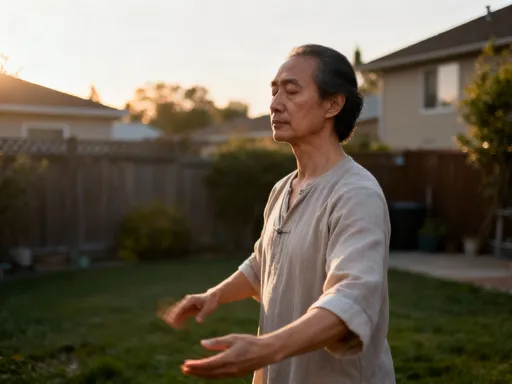
Why I Fixed My Daily Habits to Stay Ahead of Illness — And How You Can Too
We all want to feel strong and stay healthy, but most of us wait until something goes wrong to act. I used to be the same—until I realized prevention isn’t about drastic changes, but consistent, smart choices. It’s not magic: small daily habits like moving more, sleeping better, and eating mindfully have a huge impact. This is a real-life look at how reshaping my lifestyle helped me avoid sickness, boost energy, and feel in control. No hype—just what actually works.
The Wake-Up Call: When Health Feels Fragile
It started with a cold that wouldn’t quit. I remember sitting on the couch one winter morning, wrapped in a blanket, sipping tea while my third tissue of the hour went into the bin. That year, I’d caught every bug that went around—first a sinus infection, then bronchitis, and finally, a lingering fatigue that made even grocery shopping feel exhausting. At first, I brushed it off as bad luck or a busy season. But deep down, I knew something was off. My body was sending signals, and I had ignored them for too long.
What surprised me most wasn’t just the frequency of illness, but how much it disrupted my life. I missed family events, fell behind at work, and felt disconnected from the energy and joy I once took for granted. It wasn’t until a routine check-up that my doctor gently pointed out a pattern: frequent infections, low vitamin D, and elevated markers of inflammation. She didn’t offer a quick fix. Instead, she asked about my sleep, diet, and stress levels—questions I realized I’d never seriously considered. That conversation shifted my perspective. Health wasn’t just the absence of disease; it was something I had to actively build and protect.
From that moment, I stopped viewing wellness as a reaction to illness and began seeing it as a daily practice. I wasn’t looking for a miracle cure or a trendy detox. I wanted sustainable, science-backed changes that fit into real life. The goal wasn’t perfection—it was progress. And the truth I discovered was both empowering and reassuring: small, consistent choices have the power to reshape our health over time. Prevention, I learned, isn’t reserved for the genetically lucky or the ultra-disciplined. It’s available to anyone willing to make thoughtful changes, one day at a time.
Sleep: The Silent Superpower for Immunity
Sleep is often the first habit we sacrifice in a busy life. We stay up late answering emails, watching one more episode, or worrying about the next day’s to-do list. But what many don’t realize is that sleep isn’t just downtime—it’s a critical period of repair, regulation, and defense. During deep sleep, the body produces cytokines, proteins that help fight infection and inflammation. At the same time, the immune system strengthens its memory of pathogens, improving future responses. When we cut sleep short, we weaken this defense network, making us more vulnerable to viruses and slower to recover.
Research consistently shows that adults who sleep fewer than six hours per night are more likely to catch colds and other infections. Poor sleep also increases levels of cortisol, the stress hormone, which further suppresses immune activity. Over time, chronic sleep deprivation is linked to higher risks of heart disease, diabetes, and autoimmune issues. The connection isn’t subtle: your body cannot maintain strong defenses without adequate rest. Yet, in a culture that glorifies busyness, rest is often seen as laziness. This mindset comes at a cost—one I paid until I made sleep a non-negotiable part of my health strategy.
Improving my sleep didn’t require drastic measures. I started by setting a consistent bedtime, even on weekends. This helped regulate my internal clock, making it easier to fall asleep and wake up naturally. I also created a wind-down routine: turning off screens an hour before bed, dimming the lights, and reading a book or practicing gentle stretching. I stopped drinking coffee after noon and kept my bedroom cool, dark, and quiet. These small changes added up. Within weeks, I noticed I was waking up feeling refreshed, thinking more clearly, and getting sick less often. Sleep became my silent superpower—one that didn’t demand time, just intention.
Move Every Day—Even a Little Counts
For years, I associated exercise with gyms, sweat, and sore muscles. I believed that unless I was running five miles or lifting heavy weights, I wasn’t doing enough. That mindset kept me from being active most days. I’d start a workout program with enthusiasm, only to quit when life got busy. What changed was understanding that movement isn’t about intensity—it’s about consistency. The human body is designed to move, and even small amounts of daily activity have profound effects on circulation, metabolism, and immune function.
Physical activity helps lymph fluid circulate, which carries immune cells throughout the body. It also reduces inflammation, improves insulin sensitivity, and supports healthy blood pressure. Studies show that people who engage in regular, moderate exercise—like brisk walking—experience fewer upper respiratory infections and shorter illness durations. The key is frequency, not duration. A 20-minute walk after dinner, three times a week, does more for long-term health than an hour-long intense session once a month. Movement doesn’t have to be scheduled or strenuous to be effective.
I began by adding small bursts of activity to my day. I took the stairs instead of the elevator, parked farther from store entrances, and set a timer to stand and stretch every hour. I started walking after meals, which not only helped with digestion but also lowered my blood sugar response. On days when I felt too tired for a full workout, I did a 10-minute home routine—simple stretches, squats, or light resistance exercises. The goal wasn’t to burn calories; it was to keep my body active and engaged. Over time, these habits built momentum. I found myself craving movement, not as a chore, but as a source of energy and clarity. The lesson was clear: motion is medicine, and every step counts.
Eat Like You Mean It: Food as Prevention
Food is one of the most powerful tools we have for long-term health. What we eat directly influences inflammation, gut health, hormone balance, and disease risk. Yet, so many of us approach diet through the lens of restriction—cutting out carbs, banning sugar, or following extreme plans that are hard to maintain. I tried those too, and they left me feeling deprived and discouraged. What finally worked was shifting my mindset from dieting to nourishment. Instead of asking, “What can’t I eat?” I began asking, “What will fuel me and protect my body?”
A diet rich in whole foods—vegetables, fruits, legumes, whole grains, nuts, seeds, and lean proteins—provides essential vitamins, minerals, and antioxidants. These nutrients support immune cell function, repair tissues, and reduce oxidative stress. Fiber, found in plant-based foods, feeds beneficial gut bacteria, which play a crucial role in immune regulation. On the other hand, highly processed foods, loaded with sugar, refined oils, and artificial ingredients, promote inflammation and weaken immune defenses over time. The difference isn’t always immediate, but it shows up in how often you get sick, how fast you recover, and how you feel every day.
I didn’t overhaul my kitchen overnight. I started by adding one extra serving of vegetables to each meal. I swapped sugary snacks for fruit and nuts, and chose water over soda. I learned to read labels and avoid products with long ingredient lists full of unpronounceable chemicals. Meal planning helped me stay on track, especially on busy days. I cooked at home more often, using simple recipes with fresh ingredients. I didn’t aim for perfection—there were still nights with pizza or dessert—but the overall pattern shifted. My energy stabilized, my digestion improved, and I noticed I wasn’t reaching for cold medicine as often. Eating well became less about rules and more about respect—for my body, my health, and my future.
Stress: The Invisible Threat to Wellness
Stress is an unavoidable part of life. Responsibilities at home, work pressures, family needs—these are real and often necessary. But when stress becomes constant, it takes a hidden toll. Chronic stress triggers the release of cortisol and adrenaline, hormones that, in excess, suppress immune function, increase blood pressure, and disrupt digestion and sleep. Over time, this imbalance makes the body more susceptible to illness and slows healing. What’s troubling is that stress often goes unnoticed until symptoms appear—headaches, fatigue, frequent infections, or mood changes.
I used to wear busyness like a badge of honor. I prided myself on juggling tasks, saying yes to everything, and pushing through exhaustion. But I didn’t realize I was wearing down my body’s defenses. It wasn’t until I started paying attention that I saw the connection: every time I felt overwhelmed, I seemed to catch a cold or come down with something. That’s when I began treating stress not as a personal failing, but as a health issue that needed care.
I introduced small, daily practices to manage stress. I started with breathwork—just five minutes of slow, deep breathing in the morning and before bed. I kept a journal to process thoughts and emotions, which helped me identify triggers and release tension. I made time to step outside, even if just for a few minutes, to breathe fresh air and reconnect with nature. I also learned to say no, to protect my time and energy. These tools didn’t eliminate stress, but they helped me respond to it in healthier ways. Over time, I became more resilient, not because life got easier, but because I built better coping skills. Mental well-being, I realized, isn’t separate from physical health—it’s part of the same system.
Hydration, Air, and Sunlight: Nature’s Daily Boosters
Sometimes, the simplest habits are the most overlooked. Water, air, and sunlight are fundamental to life, yet many of us don’t give them enough attention. Dehydration, even mild, can impair concentration, reduce energy, and slow metabolism. The body relies on water to transport nutrients, flush toxins, and regulate temperature. I started my day with a large glass of water, which helped wake up my system and set a healthy tone for the day. I kept a reusable bottle with me and made it a goal to refill it several times. Within days, I noticed my skin looked clearer, my headaches faded, and I felt more alert.
Fresh air is another quiet necessity. Indoor environments, especially in winter, can be dry and filled with recycled air and pollutants. I made it a habit to open windows daily, even for a few minutes, to let in fresh air. I also prioritized outdoor time—walking in the park, sitting in the garden, or just standing outside to breathe deeply. These moments not only improved air quality but also lifted my mood and reduced mental fatigue.
Sunlight, in moderate amounts, is a natural source of vitamin D, which plays a vital role in immune function, bone health, and mood regulation. I began taking short walks in the morning sun, exposing my arms and face without sunscreen for 10–15 minutes. This small ritual helped maintain healthy vitamin D levels, especially during darker months. Together, these three elements—hydration, fresh air, and sunlight—formed a daily foundation of support. They required no special equipment or effort, just awareness and intention. Nature, I learned, offers powerful tools for health, if we simply pay attention.
Building a Life That Protects You—Long Term
Looking back, the changes I made weren’t about fixing one problem—they were about building a life that supports health every day. Disease prevention isn’t a single action or a short-term fix. It’s the sum of small, consistent choices that add up over time. It’s choosing sleep over scrolling, movement over stillness, nourishing food over convenience, and calm over chaos. These habits don’t guarantee immunity from all illness—no one is immune to every virus or unforeseen condition. But they do create a stronger, more resilient body and mind, better equipped to handle whatever comes.
What matters most is consistency, not perfection. There will be days when sleep is short, meals are rushed, or stress feels overwhelming. That’s normal. The goal isn’t to be flawless, but to return to healthy habits as often as possible. Progress, not perfection, is the path to lasting wellness. It’s also important to recognize that everyone’s journey is different. What works for one person may need adjustment for another. Listening to your body, honoring your limits, and seeking guidance from healthcare professionals are essential parts of the process.
Ultimately, taking charge of your health is an act of self-respect. It’s about showing up for yourself, not just for others. The habits you build today shape the quality of your years ahead. You don’t need a crisis to begin. You just need the willingness to make one small change, then another. Over time, those choices become a lifestyle—a life that doesn’t just survive, but thrives. And if you ever have concerns about your health, always consult a qualified doctor. Your well-being is worth the care, the time, and the commitment.